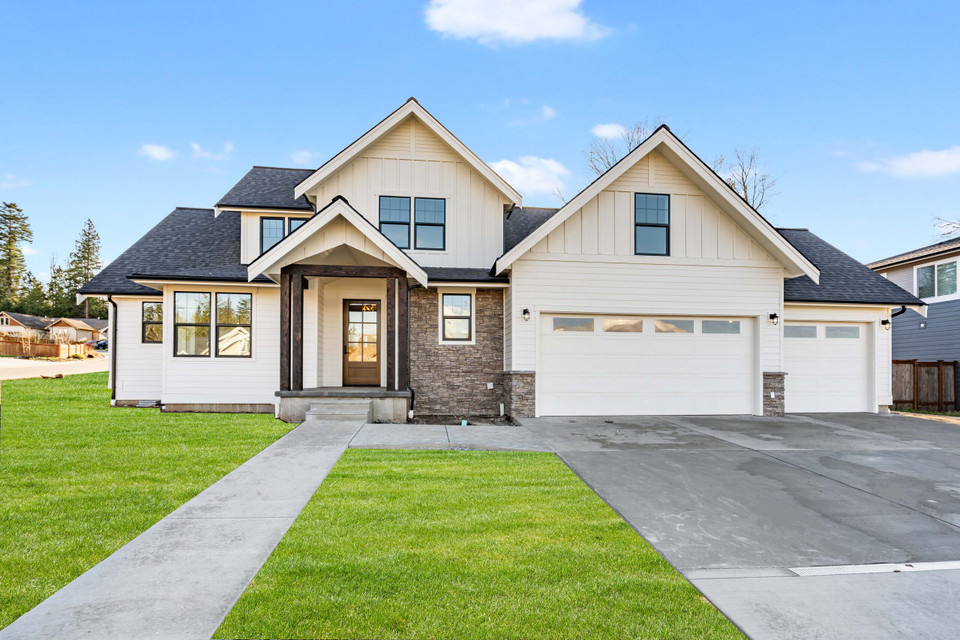


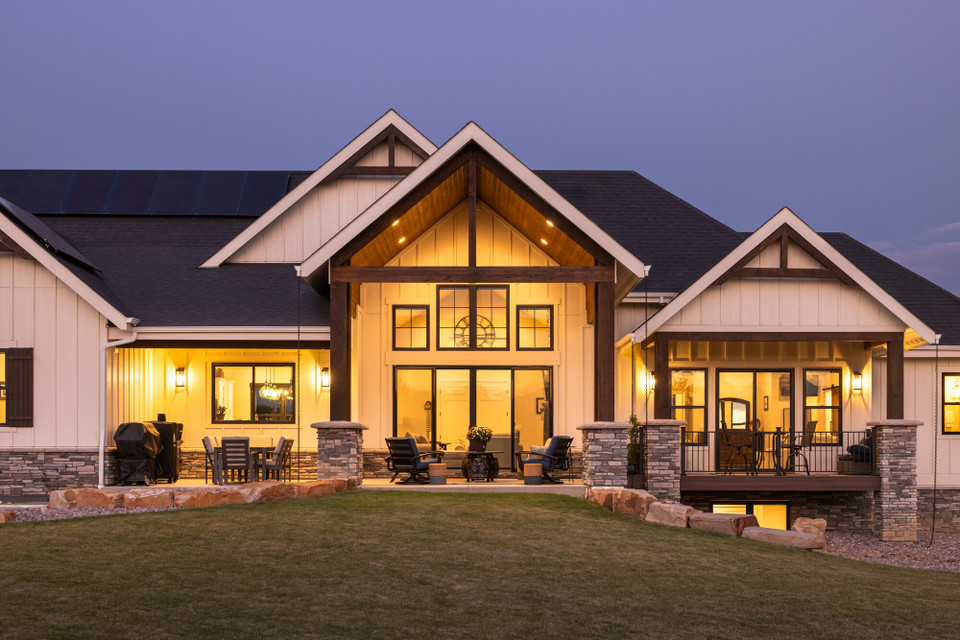
Outdoor living has evolved far beyond a simple backyard patio. In 2026, homeowners are designing entire homes around the idea of creating seamless transitions between indoor comfort and outdoor enjoyment. Covered patios, expansive glass walls, outdoor kitchens, resort-inspired landscaping, and year-round gathering spaces have become some of the most requested features in modern house plans as families place greater value on wellness, entertaining, and lifestyle-focused home design.
At The House Plan Company, demand continues growing for house plans that prioritize outdoor living integration from the earliest stages of design. Today’s homeowners are no longer treating the backyard as an afterthought. Instead, outdoor spaces are becoming fully integrated extensions of the home itself.
The Historical Evolution of Outdoor Living
The desire to connect homes with nature has deep architectural roots. Ancient Roman villas incorporated open-air courtyards and garden spaces designed for gathering and relaxation. Mediterranean homes later emphasized terraces, shaded courtyards, and outdoor dining areas that responded to warm climates and social lifestyles.
In the United States, outdoor living gained momentum during the early 20th century with the rise of Craftsman homes, wraparound porches, and bungalow architecture. Front porches became important social spaces where families connected with neighbors and enjoyed natural ventilation before air conditioning became widespread.
By the mid-century modern era, architects further blurred the line between indoors and outdoors using large windows, sliding glass walls, central courtyards, and open floor plans that visually extended living spaces into the landscape.
Today’s outdoor living movement builds on those historical influences while incorporating modern technology, changing lifestyles, and a stronger emphasis on wellness-oriented living.
Why Outdoor Living Is More Important Than Ever
Several lifestyle shifts are fueling the growing demand for integrated outdoor living spaces.
Homes Have Become Lifestyle Centers
Over the past several years, homeowners have dramatically changed how they use their homes. Properties now function as entertainment hubs, remote work environments, wellness retreats, and multigenerational gathering spaces.
Outdoor living areas support these evolving lifestyles by providing flexible spaces for:
- Family gatherings
- Outdoor dining
- Entertaining guests
- Relaxation and wellness
- Remote work
- Exercise and recreation
- Seasonal celebrations
- Quiet personal retreat spaces
As homeowners spend more time at home, they increasingly want outdoor areas that feel just as functional and comfortable as interior rooms.
The Rise of Seamless Indoor-Outdoor Design
One of the defining residential design trends of 2026 is the elimination of hard boundaries between inside and outside spaces.
Modern house plans increasingly feature:
- Expansive sliding or folding glass doors
- Covered outdoor rooms
- Continuous flooring materials
- Matching interior and exterior color palettes
- Outdoor fireplaces
- Integrated kitchens and dining areas
- Vaulted covered patios
- Courtyard-centered layouts
- Retractable screens
- Indoor-outdoor entertaining spaces
These architectural strategies help outdoor areas feel like natural extensions of the home rather than separate spaces.
Designers also see strong demand for outdoor rooms that mirror the comfort and sophistication of interior spaces. Weather-resistant furnishings, outdoor televisions, heating systems, integrated audio, and architectural lighting all contribute to creating resort-inspired environments at home.
Outdoor Living Starts During the Initial Planning Phase
One of the biggest mistakes homeowners make is waiting too long to plan their outdoor spaces. Successful outdoor living environments begin during the earliest stages of home design.
At The House Plan Company, many of today’s most popular house plans are specifically designed to maximize outdoor connections through orientation, window placement, covered patios, and thoughtful traffic flow.
Early planning considerations include:
Lot Orientation and Sun Exposure
Understanding how the home sits on the lot is critical for creating comfortable outdoor spaces. Sun exposure affects everything from patio comfort to landscaping success.
Homeowners should evaluate:
- Morning versus afternoon sun
- Seasonal shade patterns
- Prevailing wind direction
- Privacy from neighboring homes
- Views and natural features
- Climate and regional weather conditions
Covered outdoor living spaces positioned to take advantage of natural light and views often become the most heavily used areas of the home.
Creating Functional Outdoor Zones
Today’s outdoor spaces are increasingly divided into purposeful zones that support different activities.
Popular outdoor living zones include:
Outdoor Kitchens and Dining Areas
Outdoor cooking spaces remain one of the most requested features in luxury and mid-range home design alike. Homeowners want fully functional spaces that support entertaining and family gatherings.
Common features include:
- Built-in grills
- Pizza ovens
- Beverage centers
- Refrigeration
- Bar seating
- Dining patios
- Covered cooking areas
Locating these spaces near the interior kitchen simplifies traffic flow and enhances entertaining functionality.
Lounge and Gathering Spaces
Comfort-focused outdoor seating areas create natural gathering places for conversation and relaxation.
Features often include:
- Fireplaces or fire pits
- Covered patios
- Comfortable sectional seating
- Outdoor televisions
- Accent lighting
- Ceiling fans
- Heating systems for extended seasonal use
Wellness and Retreat Spaces
Homeowners increasingly prioritize wellness-centered outdoor design.
Popular features include:
- Garden spaces
- Meditation patios
- Plunge pools
- Hot tubs
- Walking paths
- Yoga decks
- Water features
- Natural privacy screening
These spaces help create calming environments that support mental wellness and stress reduction.
Landscaping Is Essential to Successful Outdoor Living
Landscaping plays a critical role in transforming patios and decks into cohesive outdoor living environments. Without proper landscape planning, even beautifully designed homes can feel disconnected from their surroundings.
Landscape considerations should begin alongside the architectural planning process rather than after construction is complete.
Key Landscaping Considerations During Planning
Privacy Design
Strategic landscaping helps create comfortable outdoor environments while screening neighboring properties.
Popular privacy solutions include:
- Layered evergreen plantings
- Decorative fencing
- Trellises and climbing plants
- Berms and elevation changes
- Natural hedges
- Courtyard walls
Outdoor Lighting
Lighting dramatically affects how outdoor spaces function after sunset.
Layered lighting plans often include:
- Path lighting
- Accent landscape lighting
- Step illumination
- String lighting
- Architectural uplighting
- Integrated patio lighting
Well-designed lighting extends the usability of outdoor spaces while enhancing safety and ambiance.
Seasonal Color and Plant Selection
Homeowners increasingly want landscaping that provides year-round visual interest.
Modern landscape design often incorporates:
- Native plantings
- Pollinator-friendly gardens
- Drought-tolerant landscaping
- Ornamental grasses
- Layered seasonal color
- Low-maintenance planting schemes
These strategies help reduce maintenance while creating more sustainable outdoor environments.
Outdoor Living and Home Value
Integrated outdoor living spaces are also becoming major drivers of resale appeal. Buyers increasingly view outdoor entertaining areas as essential rather than optional.
Features that consistently attract buyer interest include:
- Covered patios
- Outdoor kitchens
- Large sliding glass walls
- Fire features
- Professionally designed landscaping
- Pool-oriented layouts
- Flexible entertaining spaces
In many markets, thoughtfully designed outdoor living areas can significantly improve perceived home value and buyer desirability.
The Future of Outdoor Living Design
As residential design trends continue evolving, outdoor living will remain central to how homes are planned and experienced. Homeowners increasingly want houses that support connection, relaxation, wellness, and flexible living both inside and out.
The modern outdoor living movement reflects a broader shift toward homes that feel more personalized, restorative, and lifestyle-focused. Rather than separating architecture from nature, today’s homeowners are embracing designs that create harmony between the two.
For homeowners searching for house plans that prioritize covered patios, open-concept living, outdoor entertaining spaces, and seamless indoor-outdoor transitions, The House Plan Company offers a wide range of modern farmhouse, contemporary, Craftsman, and luxury home designs created for the way families live today.
featured plan: 43276