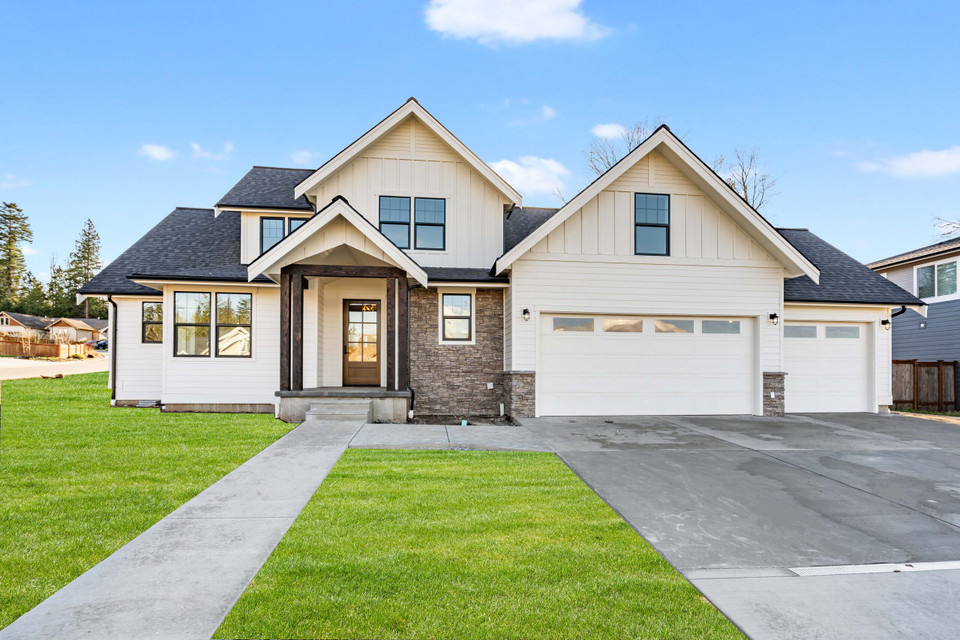


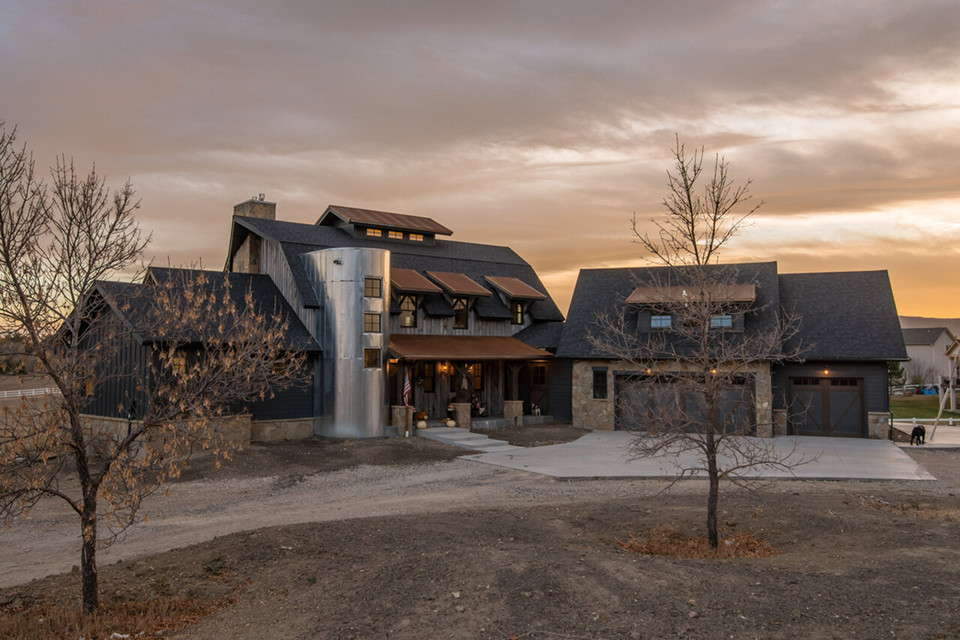
When homeowners think about roof design, the first consideration is often protection from the elements. While shelter remains the roof's primary purpose, today's architects, designers, and homebuyers recognize that a roof does far more than keep a house dry. The shape, pitch, material, and overall design of a roof influence everything from energy efficiency and weather performance to curb appeal, maintenance requirements, and long-term home value.
As residential architecture continues to evolve, roof design has become a defining feature of many of today's most popular house plans. Whether it's the steep gables of a Craftsman home, the low-slung profile of a Prairie-style residence, or the dramatic slopes of a Mountain Rustic design, the roof often establishes a home's personality before visitors even step through the front door.
Understanding how different roof styles perform across various regions of the United States can help homeowners choose a design that not only looks beautiful but also works effectively within their local climate.
The Evolution of Residential Roof Design
Historically, roof designs were shaped by necessity. Before modern building materials and engineering techniques, homeowners relied on roof forms that could withstand local weather conditions.
In snowy northern climates, steep roof pitches helped prevent dangerous snow accumulation. Coastal regions often favored hipped roofs that better resisted high winds. In hot desert environments, lower-profile roofs reduced material costs while accommodating minimal rainfall.
Today, advances in construction technology allow homeowners more flexibility than ever before. However, climate-responsive design remains just as important. The most successful homes combine architectural style with practical performance.
Understanding Roof Pitch
Roof pitch refers to the angle or slope of a roof. A roof's pitch directly affects water drainage, snow shedding, ventilation opportunities, and even attic usability.
Low-Pitch Roofs
Typically ranging from 2:12 to 4:12.
Benefits include:
- Contemporary appearance
- Reduced construction costs
- Easier access for maintenance
- Compatibility with modern architectural styles
Challenges include:
- Slower water runoff
- Greater vulnerability to standing water
- Increased maintenance requirements in wet climates
Moderate-Pitch Roofs
Typically ranging from 5:12 to 8:12.
Benefits include:
- Excellent balance between aesthetics and performance
- Effective rain and snow shedding
- Broad architectural compatibility
- Good attic ventilation potential
This remains one of the most common roof pitches in America.
Steep-Pitch Roofs
Typically 9:12 and above.
Benefits include:
- Exceptional snow-shedding capabilities
- Strong visual impact
- Additional attic or loft space
- Classic architectural appeal
Challenges include:
- Higher construction costs
- More difficult maintenance access
- Greater material requirements
Popular Residential Roof Styles
Gable Roof
The gable roof remains America's most recognizable residential roof style.
Characterized by two sloping planes meeting at a ridge, gable roofs provide excellent drainage and are highly adaptable across numerous architectural styles.
Popular with:
- Craftsman homes
- Farmhouse plans
- Cottage designs
- Traditional family homes
Advantages include:
- Efficient water runoff
- Cost-effective construction
- Excellent attic space
- Strong ventilation opportunities
Hip Roof
Hip roofs slope downward on all four sides.
This design creates a stable structure that performs exceptionally well in areas subject to high winds and hurricanes.
Popular with:
- Mediterranean homes
- Coastal house plans
- Ranch homes
- Southern architectural styles
Advantages include:
- Superior wind resistance
- Strong structural stability
- Balanced visual appearance
- Excellent durability
Shed Roof
Also known as a mono-pitch roof, shed roofs feature a single sloping plane.
These roofs have become increasingly popular in modern and contemporary home designs.
Advantages include:
- Clean architectural lines
- Opportunities for clerestory windows
- Simplified construction
- Contemporary curb appeal
Gambrel Roof
Most commonly associated with barns and farmhouse architecture, gambrel roofs feature two distinct slopes on each side.
Advantages include:
- Expanded upper-level living space
- Traditional character
- Excellent loft opportunities
- Efficient use of interior volume
Mansard Roof
A hallmark of French-inspired architecture, mansard roofs maximize upper-floor living areas.
Advantages include:
- Increased usable square footage
- Elegant appearance
- Design flexibility
- Historic architectural character
Butterfly Roof
An increasingly popular contemporary design, butterfly roofs angle inward toward a central valley.
Advantages include:
- Modern aesthetics
- Rainwater collection potential
- Dramatic interior spaces
- Sustainability benefits
Best Roof Designs for the Pacific Northwest
Climate Challenges
The Pacific Northwest, including parts of Oregon, Washington, and Northern Idaho, experiences:
- Frequent rainfall
- Damp conditions
- Moss growth
- Seasonal snowfall in higher elevations
Recommended Roof Styles
- Steep Gable Roofs
These roofs quickly shed rainwater and reduce moisture retention.
- Cross-Gable Roofs
Popular in Craftsman and Northwest-style homes, cross-gables create visual interest while maintaining excellent drainage.
- Mountain Roof Designs
In higher elevations, steeper pitches help prevent excessive snow loads.
Why They Work
The primary goal in the Northwest is efficient water management. Roof designs that move water away quickly help minimize maintenance and prolong roofing lifespan.
Best Roof Designs for the Midwest
Climate Challenges
Midwestern homes face:
- Heavy snow
- Ice dams
- Strong storms
- Tornado-producing weather systems
Recommended Roof Styles
- Moderate to Steep Gable Roofs
These roofs effectively shed snow while remaining economical to build.
- Hip Roofs
Hip roofs offer greater wind resistance during severe storms.
- Combination Roof Systems
Many Midwestern homes blend gables and hips to balance aesthetics with performance.
Why They Work
Midwestern roof designs must handle both snow accumulation and severe weather events, making structural strength a top priority.
Best Roof Designs for the South Central United States
Climate Challenges
States such as Texas, Oklahoma, and Arkansas experience:
- Intense heat
- Strong winds
- Severe thunderstorms
- Hail events
Recommended Roof Styles
- Hip Roofs
Excellent for wind resistance and storm performance.
- Moderate-Pitch Roofs
These roofs provide effective drainage while minimizing excessive heat gain.
- Contemporary Roof Designs
Modern roof forms paired with reflective roofing materials can improve energy efficiency.
Why They Work
South Central roof designs must balance storm resilience with solar heat management.
Best Roof Designs for the Southeast
Climate Challenges
The Southeast faces:
- Hurricanes
- Tropical storms
- High humidity
- Heavy rainfall
Recommended Roof Styles
- Hip Roofs
Widely considered among the most hurricane-resistant roof designs.
- Coastal Roof Designs
These often feature moderate pitches and reinforced framing systems.
- Metal Roofing Systems
Frequently paired with hip roofs to improve durability and weather resistance.
Why They Work
Wind performance is critical. Roofs with fewer exposed edges and enhanced structural stability tend to perform best during major storm events.
Best Roof Designs for the Southwest
Climate Challenges
The Southwest experiences:
- Extreme heat
- Minimal rainfall
- Intense UV exposure
- Desert conditions
Recommended Roof Styles
- Low-Pitch Roofs
A staple of Southwestern and modern desert architecture.
- Flat Roof Designs
Common in adobe-inspired and contemporary homes.
- Shed Roofs
Increasingly popular in modern desert residences.
Why They Work
Limited precipitation reduces the need for steep pitches, while low-profile rooflines complement regional architectural traditions.
Best Roof Designs for the Northeast
Climate Challenges
The Northeast must withstand:
- Heavy snowfall
- Ice storms
- Freeze-thaw cycles
- Nor'easters
Recommended Roof Styles
- Steep Gable Roofs
These remain among the best performers for snow-heavy climates.
- Colonial Roof Designs
Traditional Northeast architecture often incorporates steep roof pitches.
- Gambrel Roofs
Particularly common in New England, gambrel roofs provide additional living space while effectively managing snow.
Why They Work
Snow management remains the primary design consideration. Roofs that shed snow efficiently help reduce structural stress and maintenance concerns.
The Growing Role of Energy Efficiency
Today's roof designs influence more than weather protection.
Modern roofing systems can improve:
- Solar panel performance
- Attic ventilation
- Indoor comfort
- Energy consumption
- Sustainability goals
Proper roof orientation, reflective materials, and ventilation strategies are increasingly incorporated into new home designs across the country.
Choosing the Right Roof for Your Home
The best roof design isn't determined solely by architectural style. Climate, maintenance expectations, energy goals, and regional weather patterns all play important roles.
A roof that performs beautifully in Arizona may struggle in Maine. Likewise, a steep mountain roof ideal for snowy conditions may be unnecessary in coastal Florida.
Successful home design balances aesthetics with performance, ensuring that a roof not only complements the architecture but also supports long-term comfort, durability, and efficiency.
Looking Beyond Shelter
As homebuyers place greater emphasis on resilience, sustainability, and curb appeal, roof design is becoming one of the most important decisions in residential architecture. The right roof can define a home's character, improve energy performance, enhance weather resistance, and increase long-term value.
In today's market, a well-designed roof isn't simply the top of the house, it's one of the smartest investments homeowners can make.