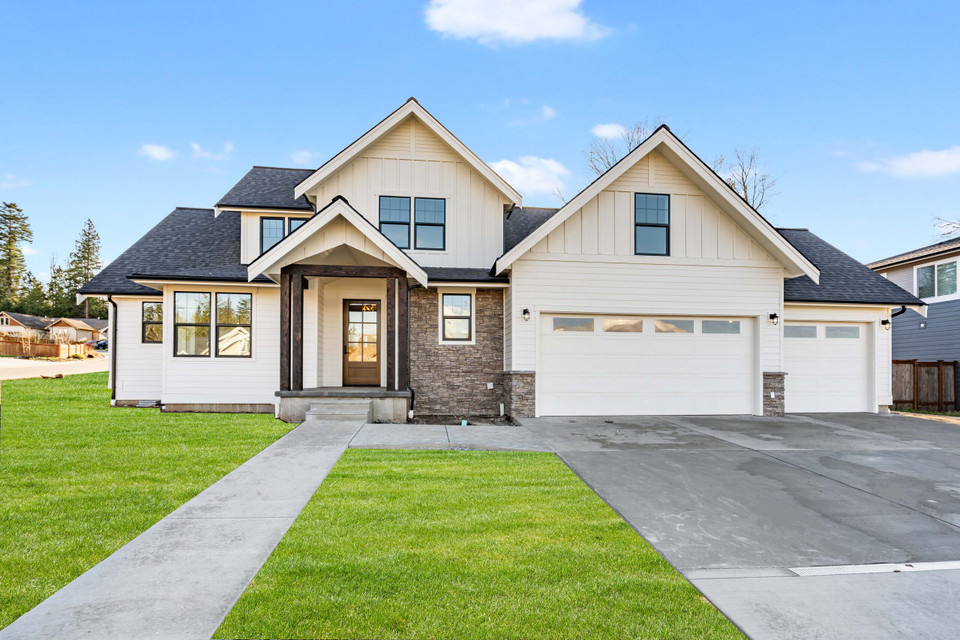


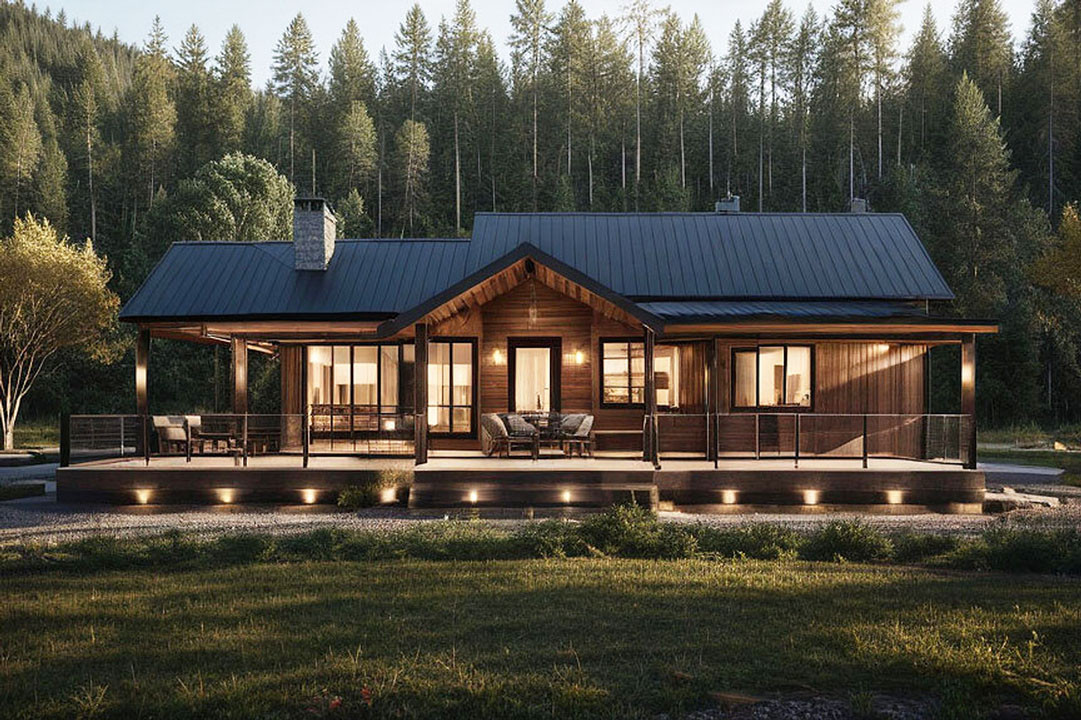
As 2026 approaches, architects, designers, and homeowners are witnessing one of the strongest design resurgences of the decade: small house plans under 2,000 square feet that feature full or partial wraparound porches. While the housing market continues to shift toward right-sized living and multifunctional design, the wraparound porch—once considered a nostalgic relic of American homesteads—has reemerged as a defining architectural feature in modern homes.
At The House Plan Company, we track thousands of plan searches, design trends, and performance indicators across the United States and Canada every year. Among the most compelling findings of 2025 is the steady growth in demand for compact homes that maintain strong architectural character. The wraparound porch is now proving to be the new centerpiece of this movement.
In this in-depth trend report, we examine why small homes with wraparound porches are experiencing a renewed wave of popularity, the historical foundations that shaped this enduring design feature, how porch-forward plans optimize modern living, and which timeless elements homeowners should prioritize as they explore small home designs in the year ahead.
Why Wraparound Porches Are Surging in Popularity Again
The renewed demand for wraparound porch designs isn’t a coincidence—it’s a response to how people live today. Homeowners are intentionally choosing homes that feel personal, welcoming, and connected, even when their overall square footage is modest.
Outdoor Living Has Become a Daily Necessity
Before 2020, outdoor living spaces were highly desirable; afterward, they became essential. Even as lifestyles normalize, the preference for usable, year-round outdoor space has stayed strong. Homeowners want:
- a place to relax without leaving home
- multiple outdoor “zones” for different activities
- protection from weather while still enjoying fresh air
- natural extensions of indoor living areas
The wraparound porch satisfies all of these desires at once. Stretching across one or more sides of the home, it creates shaded retreats, breezy corners, and sunlit vantage points that change with the time of day.
Small House Plans Benefit From Big Architectural Moments
One of the biggest misconceptions about smaller homes is that they must be plain or understated. In reality, small homes often shine brightest when they incorporate bold architectural features. A wraparound porch adds:
- Instant curb appeal
- A stronger architectural identity
- Visual balance
- A welcoming entry experience
Even a home with fewer than 2,000 square feet can appear larger and more distinguished with a well-designed porch wrapping around the front, side, or rear.
Buyers Want Homes That Feel “Like Home” Again
For years, modern design leaned toward clean lines, minimalist elevations, and open concepts. In 2025, homeowners are seeking warmth, comfort, and character. The wraparound porch is the ultimate symbol of “home”—a place to sit, gather, enjoy the neighborhood, or simply watch the seasons turn.
It Supports Multimodal Living
Small homes need flexible spaces. Wraparound porches easily adapt to multiple uses:
- morning coffee corners
- outdoor dining areas
- private lounge spaces
- shaded play zones
- dog-friendly transitions
- seasonal decorating opportunities
- work-from-home outdoor nooks
This adaptability increases the perceived livable space without affecting a home’s heated square footage.
Sustainable, Climate-Conscious Design Is on the Rise
The wraparound porch isn’t just decorative, it’s functional. Historically, porch depths and orientations helped regulate a home’s temperature naturally. Today’s buyers want homes that:
- reduce solar heat gain
- improve natural ventilation
- protect windows from weather exposure
- lower cooling costs
Porches help achieve all of these goals, making them attractive to environmentally conscious homeowners.
A Brief History of the Wraparound Porch
Understanding why the wraparound porch is timeless requires looking back at its origins. Though its exact roots vary across regions, the wraparound porch gained widespread American popularity in the early-to-mid 19th century.
Origins in Early American Architecture
Porches first appeared as functional responses to the climate. In hotter regions—particularly the American South—homes relied on shaded outdoor spaces to:
- provide relief from heat
- allow socialization outdoors
- reduce interior temperatures
- promote airflow through open windows
These porches were often extended along the front or around one side of the home. As architectural styles evolved, these platforms grew into the full wraparound forms we recognize today.
Victorian Influence and the Golden Age of Porches
By the late 1800s, porches became status symbols. Queen Anne Victorians popularized:
- sweeping wraparound verandas
- decorative posts and spindles
- ornate balustrades
- expansive corner sitting areas
These homes used porches to create grandeur—even when their interior square footage remained modest.
Porches in Rural and Farmhouse Design
Farmhouses cemented the wraparound porch as a functional necessity. Often situated on rural land, the porch offered:
- panoramic views
- shelter during chores
- outdoor workspaces
- a domestic gathering spot
This heritage continues to inspire modern farmhouse plans—one of today’s most requested styles.
Why Wraparound Porches Are Considered Timeless
While architectural trends shift yearly, the wraparound porch has remained beloved for centuries. But why?
- It Enhances Beauty Without Overcomplicating Design
Whether paired with:
- Craftsman
- Farmhouse
- Cottage
- Country
- Cape Cod
- Southern traditional
- Bungalow
- Rustic cabin
…a wraparound porch elevates the visual experience of a home without altering its core styling.
- It Encourages Community and Connection
For generations, porches have been the original “front yard social network.” They promote:
- neighborly conversations
- safe viewing areas for kids playing outside
- inclusive gathering areas for guests
- moments of rest
Small homes often serve families seeking meaningful community—and the porch is the perfect facilitator.
- It Works for All Regions
From coastal climates to mountain landscapes, porches adapt across geographies. They provide:
- shade
- storm protection
- snow buffer zones
- outdoor living in shoulder seasons
The wraparound porch is one of the few architectural elements that transcends regional boundaries.
- It Provides Value Without Adding Complexity
Compared to additions or interior expansions, porches are cost-effective to build and maintain. They increase:
- aesthetic value
- resale appeal
- functional living space
Even budget-conscious homeowners see porches as high-return investments.
Small House Plans Under 2,000 Sq Ft: Why They Pair Perfectly With Wraparound Porches
Small homes thrive when they focus on smart design. Wraparound porches accomplish this by supporting the flow of the entire layout.
- They Balance Compact Footprints
Homes under 2,000 square feet benefit from balanced massing. A wraparound porch can anchor the design, prevent boxy shapes, and give the exterior both charm and substance.
- They Extend Living Without Increasing Square Footage
Outdoor rooms matter. Porches give homeowners:
- more usable real estate
- more lifestyle versatility
- more opportunities for connection
It's “bonus space,” without requiring additional structural area.
- They Support Indoor–Outdoor Floor Plan Flow
Many small house plans feature:
- open-concept main living areas
- corner kitchens with windows
- rear or side dining areas
- living rooms with abundant daylight
A wraparound porch complements these spaces by providing incremental outdoor zones easily accessible from multiple rooms.
- They Encourage Natural Light and Better Ventilation
Porches aren’t solid walls they’re transitional structures that enhance daylight and airflow. Homes feel larger when light and breeze move freely.
New for 2025: Trending Features in Wraparound Porch Designs
While the porch itself is timeless, new homebuyers are shaping what wraparound porch plans look like in 2025. This year, the most requested features include:
- Mixed-Material Post and Beam Accents
Homeowners prefer porches that feel modern yet handcrafted—using combinations of painted wood, rough sawn timber, metal brackets, or stone bases.
- Deep Covered Corners for Outdoor Seating Nooks
Designers are shaping porches with intentional “zones” like:
- bistro corners
- deep-set lounge areas
- reading alcoves
- grilling extensions
- Porch-to-Patio Transitions
Seamless steps from porch to rear patio expand multifunctional outdoor living.
- Expanded Side Porches for Privacy
Side porches are especially popular in small plans because they offer secluded outdoor space away from street views.
- Modern Porch Railings and Skirting
Horizontal slat rails, cable systems, and subtle modern skirting create updated silhouettes without losing the charm.
- Architectural Lighting Integration
LED downlighting, lantern-style post lights, and integrated path lighting contribute to both beauty and safety.
- More French Doors and Window Walls
Homeowners want multiple connection points between interior rooms and porch spaces.
Timeless Wraparound Porch Features Buyers Still Look For
Some elements never change and they remain consistent favorites year after year.
- Symmetrical Front Elevations
Balanced design signals craftsmanship and quality.
- Tapered or Decorative Porch Columns
Popular across Craftsman and farmhouse designs.
- 6–8 Foot Porch Depth
Wide enough for dining and lounging without crowding the walking area.
- Corner Sitting Zones
The iconic moment that defines wraparound porches.
- Traditional Railings and Trim
Classic details like balusters, gables, and exposed rafter tails remain unbeatable for curb appeal.
Why This Trend Will Continue Beyond 2025
Small house plans with wraparound porches represent the intersection of:
- affordability
- architectural beauty
- meaningful outdoor space
- sustainability
- comfort
- strong resale value
As long as homeowners continue seeking right-sized homes with character, this trend will remain firmly in place.
In many ways, the wraparound porch isn’t a trend at all—it’s a return to what made homes feel like homes in the first place.
In the end, the enduring charm of small house plans with wrap-around porches comes down to more than square footage or style—they offer a way of living that feels grounded, intentional, and connected. Whether a homeowner is dreaming of a cozy weekend retreat, a starter home with timeless curb appeal, or a downsized sanctuary built around outdoor living, these designs strike the perfect balance between simplicity and character.
At The House Plan Company, this is exactly the kind of inspiration we love bringing to the forefront. As dedicated plan marketers, our role is to help homeowners, builders, and designers discover plans that don’t just meet functional needs, but elevate the everyday experience of home. We curate unique designs from talented residential designers across the country, ensuring that thoughtfully crafted small homes—especially those wrapped in welcoming porches—get the visibility they deserve.
If your next project calls for charm, efficiency, and a porch that wraps your lifestyle in comfort, explore our collection and let The House Plan Company connect you with the perfect design. After all, great homes start with great plans—and great plans start here.