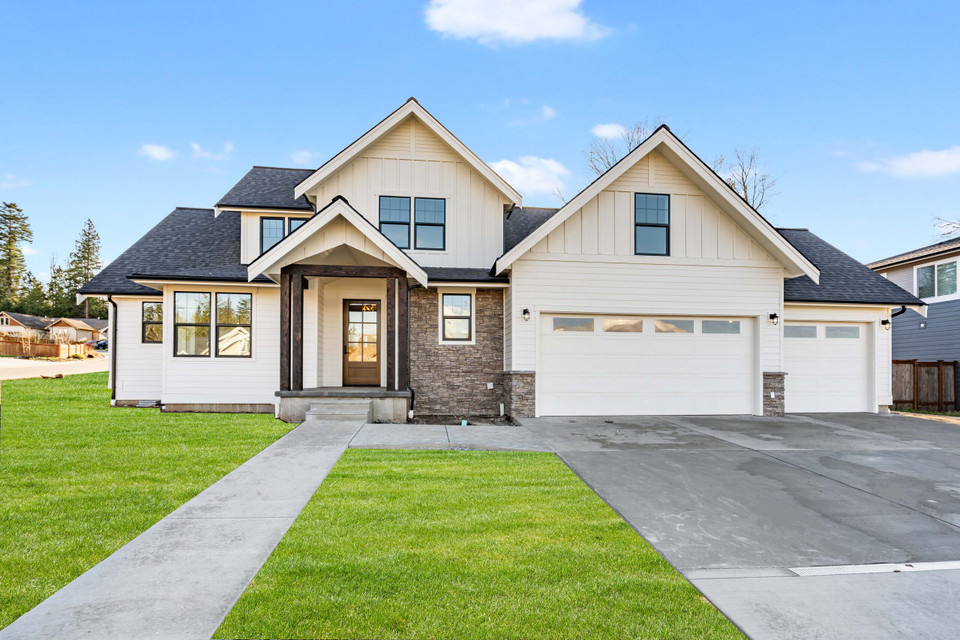


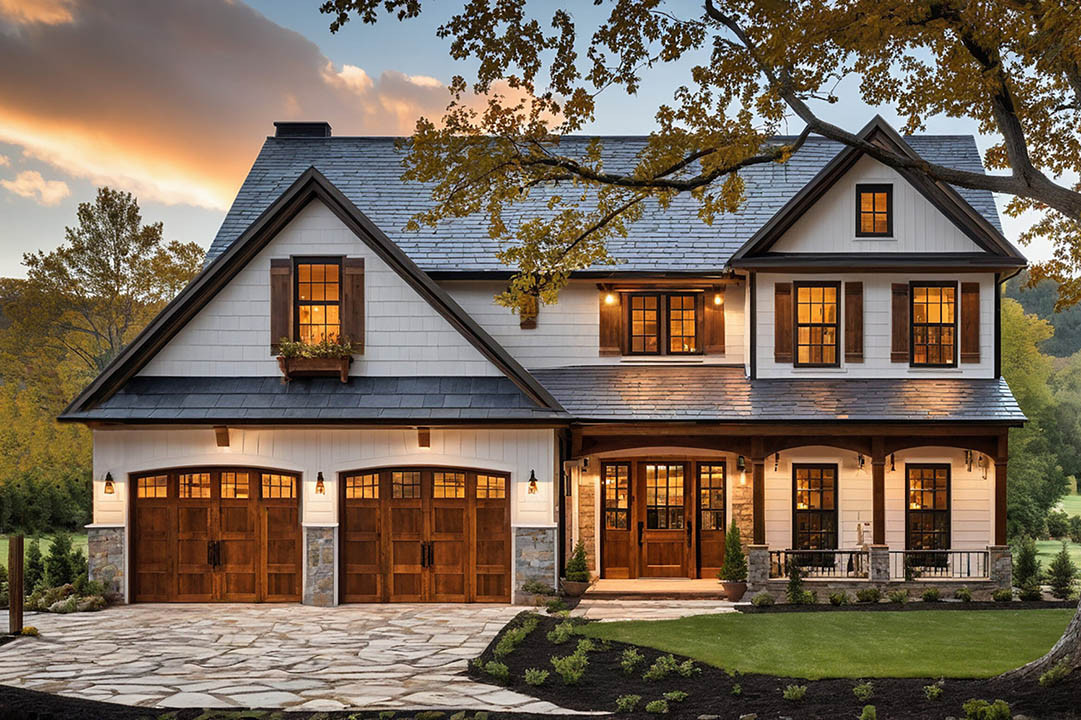
Here at The House Plan Company, we've watched multigenerational house plans evolve from a niche request to one of the most influential design categories shaping residential architecture today. What was once considered a specialty layout—intended for aging parents, adult children returning home, or extended family members—has become a mainstream priority for new homebuyers in 2025. Driven by economic factors, shifting care responsibilities, cultural preferences, and a desire for more flexible living arrangements, today’s families are seeking homes that offer both connection and independence under one roof.
This year, the most successful multigenerational floor plans showcase smarter privacy solutions, seamless accessibility, adaptable square footage, and better integration of work-from-home, caregiving, and lifestyle needs. At The House Plan Company, we review thousands of designs across all architectural styles and price points, giving us a clear view of what is trending, what is emerging, and which features are truly built to last.
Below, we break down the leading multigenerational home design trends for 2025, explain why they’re rising in popularity, and identify the timeless floor plan fundamentals that homeowners should look for when evaluating a multi-gen layout—whether they plan to build now or in the years ahead.
The Rise of the “Two Primary Suites” Layout
One of the strongest architectural trends of 2025 is the widespread adoption of dual primary suites, two bedrooms that each offer full bathrooms, spacious closets, and private or semi-private access. While dual suites existed before, this year marks a shift from “nice-to-have” to nearly essential for families planning multi-gen living.
What’s driving this trend?
- Aging-in-place planning: Homeowners building in their 40s and 50s increasingly plan for long-term care of parents or future personal needs.
- Adult children returning home: Economic and housing pressures continue to make extensible living spaces essential.
- Equitable comfort: Families want both generations to have a full primary suite—not a secondary bedroom that feels like an afterthought.
Why this may be a lasting trend
Dual-suites aren’t a fad; they solve long-term challenges and provide resale value. Even homeowners who don’t currently need two suites appreciate the flexibility for future guests, rental potential, or transitionary life phases.
Expect dual primary suites to remain a cornerstone of multigenerational design well beyond 2025.
Purpose-Built Multigenerational “Pods” or Wings (NEW for 2025)
A growing number of architects are designing multigenerational wings, sometimes called pods, suites, or in-law quarters. In 2025, these spaces are evolving beyond simple bedroom clusters and becoming nearly self-contained units within the larger home.
The 2025 multi-gen pod often includes:
- A separate entrance or private foyer
- A bedroom or full suite
- A dedicated living or sitting area
- Optional kitchenette or full wet bar
- Sound-buffering walls or pocket doors
- Direct access to outdoor living
Why this trend is flourishing now
Families need togetherness without compromise. The pod design allows independence while keeping loved ones close—and it’s far more cost-effective than building a detached ADU, especially where zoning is restrictive.
Long-term viability
Yes, absolutely. These wings offer flexibility for caregivers, renters, teens, and future resale. As zoning evolves, we anticipate continued growth in this category.
Expanded Main-Level Living and Aging-in-Place Design (Timeless but Accelerating in 2025)
Main-level living has always been a desirable feature in multigenerational homes, but in 2025, it has become a near non-negotiable. Families are intentionally choosing layouts that eliminate or reduce the need for stairs for at least one generation.
Key features trending this year:
- Primary and secondary suites on the first floor
- Minimal or no interior steps
- Wider hallways for easy mobility
- Zero-step entrances from the garage
- Shower-only bathroom options
- Flex rooms that convert to bedrooms without modification
Why it’s popular now
With a rising emphasis on long-term living, buyers want a home that supports aging parents or mobility concerns without renovation. Designers now weave these features seamlessly into the plan, avoiding institutional or “retrofit” aesthetics.
A timeless trend?
Absolutely. Aging-in-place design has been a permanent shift in residential architecture for more than a decade, and 2025’s enhancements reinforce its longevity.
Flexible Floor Plan Zones That Adapt Over Time (Timeless and Highly Relevant in 2025)
One of the greatest strengths of multigenerational homes is versatility. For 2025, architects are leaning heavily into zones that can be redefined as household needs evolve.
Examples of trending flexible spaces:
- A study that becomes a bedroom with the addition of French doors
- A loft or bonus room designed as a hangout for teens but easily converted into a second living room
- Jack-and-Jill suites for sibling groups that can later become a full guest wing
- Dining rooms that double as office or homeschooling zones
- Garage flex bays that convert to hobby rooms, gyms, or even future living quarters
Why this matters in multigenerational households
Families grow, shrink, restructure, and shift responsibilities. Homes that accommodate multiple life stages always have stronger resale value and longer functional lifespans.
Will flexible spaces remain relevant?
Yes, flex rooms are a cornerstone of contemporary home design and will persist in both multi-gen and traditional layouts for decades.
Kitchens Designed for Multiple Cooks (Expanded for 2025)
The kitchen is always a high-priority zone, but multigenerational living elevates its importance. In 2025, homeowners are prioritizing dual-function kitchens that allow two or more people to use the space comfortably at the same time.
Trending features include:
- Two prep zones with separate sinks
- Oversized islands with seating on multiple sides
- Walk-in or working pantries large enough for second refrigerators
- Dedicated coffee or snack stations for independent use
- Better circulation paths and minimized bottlenecks
Why it’s growing in popularity
Shared kitchens can create friction. These new layouts emphasize harmony, workflow, and comfort.
Is this a long-term trend?
Yes. Even beyond multi-gen homes, multiple-cook kitchens appeal to hobby chefs, bakers, entertainers, and everyday families.
The Return of the Secondary Living Room
Open-concept great rooms are still popular, but multigenerational households often require separate gathering spaces. In 2025, we’re seeing rising demand for:
- Quiet family lounges
- Media or TV rooms
- Retreat spaces near bedroom wings
- Day rooms or sunrooms
- Converted loft living areas
What’s driving this trend?
Generational households balance differing routines—bedtimes, work schedules, noise levels, and entertainment preferences. A secondary living area eases household flow.
Longevity
This feature is here to stay. Larger families, remote work, and diverse lifestyles ensure ongoing demand.
Integrated Attached or Semi-Detached ADUs (Growing Rapidly in 2025)
Accessory dwelling units have surged nationwide, but many homeowners prefer attached ADUs for accessibility, cost savings, and code compliance. In 2025, designers are integrating ADUs directly into the main plan rather than treating them as add-ons.
Popular 2025 ADU configurations include:
- A suite with a separate entrance but an interior connection
- A garage-adjacent unit with sound-buffered walls
- A small two-room apartment designed for independent living
- Layouts that can convert to rental suites in the future
Why this trend is rising
Municipalities across the country are loosening ADU restrictions. Simultaneously, families want a long-term housing strategy that adapts to future income or caregiving needs.
Is it timeless?
ADUs are likely to remain highly relevant as zoning evolves and multi-gen households continue to grow.
Privacy Through Smart Circulation Design (Timeless but Refined in 2025)
A great multigenerational house plan creates intentional separation between household members while maintaining shared spaces that feel warm and connected. This year, circulation design is becoming more sophisticated.
Trending 2025 privacy features include:
- Bedroom wings located at opposite ends of the home
- Short “micro hallways” that create acoustic buffering
- Suites accessed through a semi-private vestibule or alcove
- Offsets in the floor plan that prevent sightlines into bedrooms
- Garage access points that don’t pass through living areas
Why buyers value this
Multi-gen families need privacy as much as they need togetherness. Circulation patterns deeply influence real-life comfort.
Long-term relevance
Yes, smart layout planning is timeless and always adds value.
Sound-Reduction Features (High Priority in 2025)
With more people living, working, and studying under one roof, homeowners want strategies for minimizing noise between generations.
Trending design features include:
- Insulated interior walls between suites
- Thicker subfloors between levels
- Strategic placement of closets or bathrooms as sound buffers
- Carpeted or luxury vinyl plank flooring in high-traffic bedroom halls
- Pocket doors with high-quality track systems
Why it’s trending now
Remote work and hybrid school demand quiet zones. Multigenerational living amplifies this need.
Will it last?
Absolutely. Acoustic comfort is valuable in any household.
Outdoor Living Designed for All Ages
Outdoor living continues to be a major driver in home design, but multi-gen buyers in 2025 are gravitating toward zoned outdoor spaces that support multiple activities at once.
Examples include:
- A main gathering patio with space for all generations
- A quiet retreat patio or garden for elders
- A fenced play area for young children
- Expanded covered outdoor kitchens
- Easy-access patios off multigenerational wings
Why it’s trending
Homeowners want fresh-air spaces that accommodate different generations simultaneously without conflict.
Is this trend long-term?
Yes. Zoning outdoor spaces is part of the broader movement toward lifestyle-based home design.
Smarter Storage Throughout the Home (Timeless and Essential)
Multigenerational families typically share more belongings, more pantry goods, and more seasonal items. In 2025, designers are focusing on integrated storage solutions.
Trending options include:
- Oversized walk-in pantries
- Staircase storage cabinets
- Expanded linen storage
- Drop zones with multiple cubbies
- Walk-in closets in all secondary bedrooms
- Dedicated multigenerational laundry centers
Why homeowners love this
Clutter detracts from harmony. Smart storage reduces friction.
A lasting trend?
Storage-needs only grow; this trend is permanent.
Thoughtful Bathroom Placement and Access
Multigenerational households depend on smooth bathroom access, especially during busy times of day.
Trending 2025 bathroom strategies include:
- Private en suite bathrooms for both primary suites
- Hall baths positioned to avoid bedroom traffic
- Optional two-door access for shared baths
- Roll-in shower options in at least one bathroom
- Powder rooms placed near common areas
Why it matters
Comfort, privacy, and practicality. A poorly placed bathroom disrupts flow—especially across generations.
Longevity
This is foundational design logic. It’s not going anywhere.
What’s Truly New in 2025 Multigenerational Design?
- Multigenerational pods with lounge spaces: Mini-apartments within the home are gaining strong traction.
- Two fully equipped kitchens or kitchenettes: More plans now incorporate secondary prep areas without violating code.
- Zoning outdoor living for multi-use comfort: Outdoor “rooms” designed specifically to accommodate different schedules and noise levels.
- Expanded acoustic design elements: Sound reduction is increasingly built into the architectural plan—not an afterthought.
- Work-from-home integration within multi-gen wings: Private offices or small retreats inside the secondary suite.
These features represent a shift toward holistic multigenerational planning—not simply adding bedrooms, but designing for lifestyle, comfort, autonomy, and dignity for every member of the household.
Timeless Multigenerational Features That Will Always Matter
While many new 2025 trends reflect evolving needs, several core design principles have stood the test of time:
- Main-level living and step-free access
- Privacy between sleeping zones
- Multiple living areas
- Generous storage
- Bathrooms positioned for convenience
- Strong circulation and logical flow
- A kitchen designed for shared use
- Flexible rooms that adapt over time
Any family building a multigenerational home—now or in the future—should prioritize these fundamentals.
What Homeowners Should Look For When Choosing a Multigenerational House Plan
Choosing a multi-gen plan requires careful evaluation. Based on the thousands of home plans we curate and review at The House Plan Company, homeowners should consider the following:
- Evaluate privacy vs. connection. Each family’s needs differ. Establish what level of separation is essential.
- Check accessibility. Even if mobility isn’t currently a concern, plan for the future.
- Review the bathroom-to-bedroom ratio. At least one en-suite for each generation is ideal.
- Look for independent living options. A kitchenette, lounge, or private entry can be invaluable.
- Consider long-term adaptability. Today’s teen suite may become tomorrow’s caregiver apartment.
- Don’t forget storage. Multi-gen homes simply need more of it.
- Prioritize circulation and sound control. Comfort depends heavily on thoughtful design.
- Think ahead about resale. Even if your family dynamics change, a well-planned multi-gen home will remain in high demand.
The Future of Multigenerational Home Design
The multigenerational movement shows no signs of slowing. In fact, demographic and economic forecasts suggest that multi-gen living will accelerate through the next decade. As family structures diversify, aging-in-place becomes prioritized, and the cost of housing continues to rise, the need for thoughtful, flexible, and dignified multigenerational home design will only grow.
The innovations we’ve seen in 2025, from advanced privacy pods to dual primary suites and multi-zone outdoor living represent the next chapter in architectural design. But the heart of multigenerational homes remains the same: they are built to bring families together while preserving independence and comfort for everyone involved.
At The House Plan Company, we are dedicated to connecting homeowners with the right design, we see multigenerational floor plans not as a trend but as a long-term evolution in how people live. The best multi-gen homes are those that feel adaptable, timeless, and deeply personal a foundation that supports today’s needs and tomorrow’s possibilities.